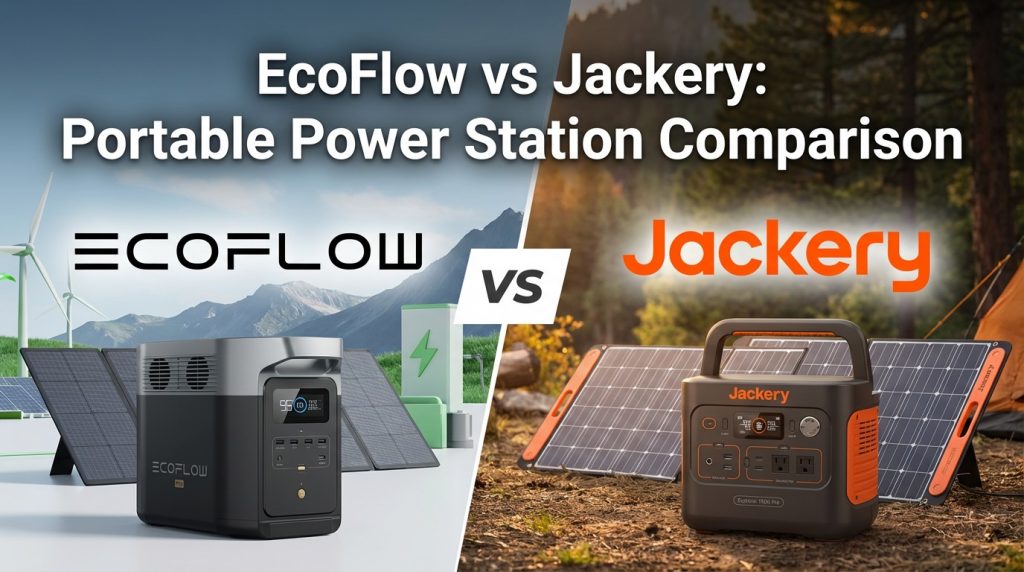
Portable power needs vary widely among users, making the EcoFlow vs Jackery decision highly personal. Both brands manufacture quality lithium battery systems that deliver reliable electricity away from grid connections. EcoFlow appeals to users requiring maximum output, rapid charging, and expandable capacity for demanding applications. Their units cost more but justify the premium through professional-grade features and performance. Jackery targets mainstream consumers seeking affordable, dependable power without complexity. Their straightforward designs work immediately without setup or learning curves. Price-conscious buyers and first-time users often prefer Jackery’s value proposition. Power-hungry applications and professional use cases benefit from EcoFlow’s capabilities.
Consider your specific wattage requirements, budget constraints, and technical comfort level. Calculate actual power needs rather than overbuying capacity you won’t use. Both companies offer solid warranty coverage and customer support. Your choice ultimately depends on matching features to your real-world usage patterns.
What is the Main Difference Between EcoFlow and Jackery?
The main difference between EcoFlow and Jackery is that EcoFlow focuses on faster charging technology and higher power output capabilities, while Jackery prioritizes user-friendly designs with reliable long-term performance and straightforward operation for casual outdoor users.
What is EcoFlow and What is Jackery?
EcoFlow is a portable power station manufacturer founded in 2017 that specializes in high-capacity battery systems. The company creates power solutions for camping, emergencies, and off-grid living. EcoFlow products feature rapid charging technology and expandable capacity options. Their units often include advanced app connectivity for remote monitoring.
Jackery is a California-based company established in 2012 that produces portable power stations and solar panels. The brand targets outdoor enthusiasts and emergency preparedness markets. Jackery builds straightforward, plug-and-play systems that require minimal setup. Their products emphasize durability and ease of use over complex features.
Check current EcoFlow pricing now
Key Differences Between EcoFlow and Jackery
- Charging Speed: EcoFlow offers X-Stream technology that charges units up to 80% in one hour, while Jackery typically requires 5-7 hours for full charge through AC outlets.
- Power Output Range: EcoFlow produces models from 256Wh to 25kWh capacity, whereas Jackery focuses on 240Wh to 2000Wh range for portable applications.
- App Integration: EcoFlow provides comprehensive smartphone apps for monitoring and control, while Jackery offers basic app functionality on select models only.
- Expandability Options: EcoFlow allows battery expansion through additional modules on higher-end models, whereas Jackery units operate as standalone systems without expansion capability.
- Price Point Strategy: EcoFlow positions itself in mid-to-premium pricing tiers with advanced features, while Jackery offers more budget-friendly options for entry-level users.
- Solar Charging Efficiency: EcoFlow accepts up to 1600W solar input on flagship models, while Jackery maxes out around 400W solar input capacity.
- Warranty Coverage: EcoFlow provides 2-5 year warranties depending on model, whereas Jackery offers standard 2-year coverage across most products.
- UPS Functionality: EcoFlow includes uninterruptible power supply features on several models, while Jackery focuses purely on portable power applications.
- Weight Distribution: EcoFlow units tend to be heavier for equivalent capacity due to additional features, while Jackery prioritizes lighter builds for portability.
View EcoFlow’s current pricing and availability
Key Similarities Between EcoFlow and Jackery
- Lithium Battery Technology: Both brands use lithium-ion or LiFePO4 battery cells for safe, long-lasting power storage.
- Multiple Output Ports: Each manufacturer includes AC outlets, USB ports, and DC outputs for device compatibility.
- Solar Panel Compatibility: Both companies produce proprietary solar panels and support third-party solar charging options.
- Safety Certifications: EcoFlow and Jackery meet international safety standards including UL, CE, and FCC certifications.
- LED Display Screens: Both brands feature digital displays showing battery percentage, input/output wattage, and estimated runtime.
- Pass-Through Charging: Each manufacturer supports simultaneous charging and discharging for continuous device operation.
- Target Market Focus: Both companies aim at outdoor recreation, emergency backup, and off-grid lifestyle customers.
Shop both brands with best deals
Features of EcoFlow vs Features of Jackery
- Battery Chemistry: EcoFlow uses LiFePO4 in premium models for 3000+ cycle life, while Jackery employs lithium-ion for balance of cost and performance.
- Charging Methods: EcoFlow supports AC, solar, car, and USB-C charging inputs, whereas Jackery offers AC, solar, and car charging options.
- Display Information: EcoFlow shows detailed metrics including temperature and individual port usage, while Jackery displays basic battery level and input/output status.
- Port Configuration: EcoFlow provides more AC outlets and USB ports on equivalent capacity models compared to Jackery offerings.
- Mobile Apps: EcoFlow apps include firmware updates and detailed analytics, whereas Jackery apps focus on simple monitoring functions.
- Build Materials: EcoFlow uses aluminum and reinforced plastics for industrial applications, while Jackery employs standard plastics for consumer use.
- Temperature Range: EcoFlow operates in -20°C to 45°C conditions, whereas Jackery functions best in 0°C to 40°C temperature ranges.
Find your perfect power station model
Pros of EcoFlow Over Jackery
- Rapid Recharge Times: X-Stream technology reduces waiting time significantly, allowing quick turnaround between uses for active camping trips.
- Higher Wattage Options: Models like Delta Pro deliver up to 3600W output, powering heavy-duty appliances that Jackery units cannot handle.
- Smart Home Integration: Advanced app features enable remote control and automation with home energy systems.
- Modular Expansion: Extra battery units connect to main power stations, scaling capacity for extended off-grid periods.
- Future-Proof Features: Regular firmware updates add new capabilities and improve performance over product lifetime.
- Professional Grade Build: Heavy-duty construction and components support commercial applications and frequent use scenarios.
- EV Charging Capability: Select models can charge electric vehicles, providing emergency mobility solutions.
See EcoFlow models available now
Cons of EcoFlow Compared to Jackery
- Higher Initial Cost: Premium features come with increased price tags that may exceed budget for casual users.
- Steeper Learning Curve: Complex settings and app features require more time to master compared to simpler alternatives.
- Bulkier Design: Additional components and cooling systems add weight and reduce portability for hiking or backpacking.
- Fan Noise Levels: Active cooling fans generate noticeable sound during high-output operations or fast charging.
- App Dependency: Some advanced features require smartphone connectivity, which may be problematic in remote areas.
- Limited Service Centers: Fewer authorized repair locations compared to competitors make warranty service less convenient.
- Shorter Track Record: Younger company means less long-term reliability data available for potential buyers.
Pros of Jackery Over EcoFlow
- User-Friendly Operation: Straightforward controls and minimal settings allow instant use without reading manuals or watching tutorials.
- Proven Reliability: Longer market presence provides extensive real-world testing and customer feedback on durability.
- Competitive Pricing: Lower entry costs make portable power accessible to budget-conscious buyers and first-time users.
- Lightweight Construction: Easier to carry and transport for hiking, beach trips, and frequent relocation needs.
- Quiet Operation: Passive cooling design eliminates fan noise for peaceful camping and indoor emergency use.
- Simpler Maintenance: Fewer moving parts and components reduce potential failure points and service requirements.
- Wide Availability: Extensive retail presence through major chains provides easy purchasing and return options.
Cons of Jackery Compared to EcoFlow
- Slower Charging Speed: Extended recharge times limit quick turnaround for consecutive days of heavy use.
- Lower Maximum Output: Reduced wattage capacity restricts operation of high-draw appliances like air conditioners or power tools.
- No Expansion Options: Fixed capacity limits flexibility for users who might need more power in the future.
- Basic App Features: Limited remote control and monitoring capabilities compared to competitor offerings.
- Fewer Advanced Features: Lacks UPS mode, smart home integration, and other premium functionalities.
- Solar Input Limitations: Lower maximum solar wattage extends recharge times when using renewable energy sources.
- Standard Warranty Terms: Basic coverage period may not match extended protection offered by competitors.
Compare all power station options
Situations When EcoFlow is Better Than Jackery
- RV Living: Higher output handles multiple appliances simultaneously including microwaves, refrigerators, and air conditioning units for full-time mobile living.
- Construction Sites: Rapid charging allows contractors to power tools throughout workday with quick lunch-break recharges.
- Home Backup Systems: UPS functionality provides seamless transition during power outages for sensitive electronics and medical equipment.
- Professional Photography: High capacity supports multiple camera batteries, laptops, lighting equipment, and drones during all-day shoots.
- Festival Vendors: Fast recharge between events and high output capacity support food trucks, craft booths, and mobile retail operations.
- Off-Grid Cabins: Expandable capacity and solar efficiency create sustainable power systems for permanent remote installations.
- Emergency Response: Professional-grade reliability and power delivery support first responders and disaster relief operations.
Get the best deal on EcoFlow units
Situations When Jackery is Better Than EcoFlow
- Weekend Camping: Adequate power for basic needs like phone charging, LED lights, and small fans without overpaying for unused capacity.
- Tailgating Events: Lightweight design allows easy transport from parking lot to stadium for grills, speakers, and device charging.
- Beach Outings: Simple operation means anyone in the group can use it without instructions for coolers and portable speakers.
- First-Time Buyers: Lower investment risk for people testing portable power before committing to premium systems.
- Elderly Users: Straightforward controls and no app requirements suit less tech-savvy individuals for emergency preparedness.
- Apartment Dwellers: Compact size fits small storage spaces while providing adequate backup during brief outages.
- Budget-Conscious Families: Affordable pricing makes emergency preparedness accessible without financial strain.
Power Station Selection Factors
Capacity requirements depend on specific device needs and usage duration. Calculate total wattage of appliances you plan to run simultaneously. Add 20% buffer for efficiency losses and surge requirements.
Calculating Your Power Needs
Start by listing every device you might connect to the power station. Check each device’s wattage rating on the label or specifications. Multiply wattage by estimated hours of use to get watt-hours needed. Sum all devices for total capacity requirements.
Remember that motors and compressors need surge power at startup. Refrigerators might use 150W running but need 600W to start. Account for these spikes when selecting maximum output rating. Check manufacturer specifications for both continuous and surge ratings.
Calculate your power needs with expert help
Portability Considerations
Weight matters differently depending on your use case. Car camping allows heavier units since you park nearby. Backpacking demands minimal weight even if it means less capacity. Measure the distance you’ll carry the unit regularly.
Handle design affects carrying comfort significantly. Units with recessed handles dig into hands during transport. Telescoping handles and wheels help with larger models but add weight. Test the grip and balance before purchasing if possible.
Find portable options for your needs
Solar Integration Options
Panel wattage determines charging speed in optimal sunlight conditions. Higher wattage panels cost more but reduce charging time proportionally. Match panel output to your power station’s maximum solar input rating.
Choosing Solar Panels
Monocrystalline panels offer better efficiency in limited space compared to polycrystalline options. Rigid panels provide durability for permanent installations while flexible panels suit temporary setups. Foldable designs balance portability with decent surface area.
Consider weather patterns in your typical usage locations. Cloudy regions benefit less from solar charging than sunny climates. Calculate realistic charging times based on average daily sunlight hours. Winter months provide significantly less solar energy than summer.
See solar panel bundles available
Connecting Solar Arrays
Parallel connections maintain voltage while adding current capacity. Series connections increase voltage but current stays constant. Check your power station’s input voltage and current limits before connecting multiple panels.
Use quality MC4 connectors rated for outdoor conditions and proper amperage. Cheap connectors corrode quickly and create resistance that wastes power. Install inline fuses to protect equipment from short circuits. Keep cable lengths minimal to reduce voltage drop.
Shop complete solar power systems
FAQs
Can you run a refrigerator on EcoFlow or Jackery power stations?
Yes, both brands can run refrigerators but model selection matters. EcoFlow Delta series handles standard refrigerators drawing 150-800W continuously. Jackery Explorer 1000 or higher models support mini-fridges and energy-efficient full-size units. Check your refrigerator’s running wattage and startup surge requirements. Match these numbers against the power station’s continuous and surge ratings. Account for compressor cycling which creates periodic power spikes.
How long do EcoFlow and Jackery batteries last before replacement?
EcoFlow LiFePO4 models last 3000-6500 cycles before dropping to 80% capacity, which translates to 8-15 years with regular use. Jackery lithium-ion batteries provide 500-800 cycles, equating to 2-5 years depending on usage patterns. Proper maintenance extends lifespan significantly. Store units at 50-60% charge in cool, dry locations. Avoid complete discharge cycles and extreme temperatures. Both brands offer battery replacement services after warranty periods end.
Are EcoFlow and Jackery power stations allowed on airplanes?
No, commercial airlines prohibit power stations in both carry-on and checked luggage. TSA regulations limit lithium batteries to 100Wh in carry-on bags. Both EcoFlow and Jackery models exceed this threshold significantly. Small portable chargers under 100Wh qualify for air travel. Ship larger units separately or transport them by car or train. Check specific airline policies as rules vary by carrier.
Can you charge EcoFlow or Jackery while using them?
Yes, both manufacturers support pass-through charging on all current models. This means you can charge the internal battery while powering connected devices simultaneously. Pass-through charging generates extra heat and slightly reduces charging speed. Some battery wear occurs faster with constant pass-through use. For optimal battery health, charge fully before discharging when possible. Emergency situations justify pass-through usage despite minor efficiency losses.
Do EcoFlow and Jackery work with generators?
Yes, both brands accept power from generators through standard AC outlets. Use clean sine wave generators to avoid damaging sensitive electronics. Inverter generators provide stable power suitable for charging these units. Check generator wattage output matches or exceeds power station charging input requirements. Poor quality generators create voltage fluctuations that might trigger protection circuits. Always verify generator compatibility before connecting expensive equipment.
What happens if EcoFlow or Jackery gets wet?
Neither brand is waterproof despite rugged appearance. Water damage voids warranties and creates safety hazards. Light rain exposure usually causes no harm if wiped dry immediately. Submersion or heavy water intrusion requires professional inspection before use. Corrosion develops quickly on internal components after water exposure. Use waterproof covers during outdoor use in wet conditions. Store units in dry locations always.
Can you replace batteries in EcoFlow or Jackery units yourself?
No, both manufacturers use proprietary battery packs requiring professional service. Opening the case voids warranty and creates safety risks from high-voltage components. Contact manufacturer support for battery replacement options after warranty expiration. Third-party repair shops sometimes offer services but may compromise safety certifications. Factor replacement costs into total ownership calculations. Some newer EcoFlow models feature external expansion batteries that connect without opening the main unit.
How much does it cost to fully charge EcoFlow or Jackery from wall outlet?
Charging costs depend on local electricity rates and unit capacity. A 1000Wh unit costs approximately $0.15-0.25 to charge fully at average US residential rates. Multiply unit capacity in kilowatt-hours by your local rate per kWh. Include 15% efficiency loss during charging process. EcoFlow’s faster charging uses slightly more energy than Jackery’s slower method. Solar charging eliminates electricity costs after panel investment.
Do EcoFlow and Jackery power stations make noise during operation?
EcoFlow units generate 50-60 decibels from cooling fans during high output or fast charging. This noise level compares to normal conversation volume. Jackery models operate silently during normal use with passive cooling. Both brands produce minimal noise at low power draws. Fan noise increases proportionally with load. Silent operation matters for indoor use and sleeping near the unit. Check specifications for noise ratings at different load levels.
EcoFlow vs Jackery Summary
Portable power technology has transformed outdoor recreation and emergency preparedness. Both manufacturers deliver quality solutions within their target markets. EcoFlow dominates scenarios requiring high output, rapid charging, and professional features. Jackery wins for casual users prioritizing simplicity, affordability, and proven reliability. Neither brand qualifies as universally superior since use cases vary dramatically. RV owners and contractors benefit from EcoFlow’s capabilities. Weekend campers and budget-conscious families prefer Jackery’s approach. Solar charging works with both brands but efficiency differs based on input ratings. App connectivity matters to some users while others prefer standalone operation.
Consider total ownership costs including accessories and replacement batteries. Read real customer reviews focusing on your specific use case. Test units when possible before committing to purchase. Calculate your actual power requirements accurately to avoid overbuying. Factor portability needs based on transport methods and distances. Both companies continue improving products through regular model updates. The portable power market offers options for every budget and application. Match your selection to genuine needs rather than theoretical capabilities.
| Feature | EcoFlow | Jackery |
|---|---|---|
| Charging Speed | X-Stream technology charges to 80% in 1 hour | Standard charging requires 5-7 hours |
| Power Output Range | 256Wh to 25kWh capacity options | 240Wh to 2000Wh capacity range |
| App Integration | Comprehensive smartphone apps with remote control | Basic app functionality on select models |
| Expandability | Battery expansion modules available | Standalone systems without expansion |
| Price Range | Mid-to-premium pricing tiers | Budget-friendly entry-level options |
| Solar Input | Up to 1600W solar input capacity | Maximum 400W solar input |
| Weight | Heavier builds with additional features | Lighter construction for portability |
| UPS Functionality | Uninterruptible power supply included | No UPS features available |
| User Experience | Complex settings require learning | Straightforward plug-and-play operation |
| Market Position | Professional and power-hungry applications | Casual outdoor and emergency use |
| Warranty | 2-5 years depending on model | Standard 2-year coverage |
| Battery Type | LiFePO4 in premium models | Lithium-ion across product line |
| Noise Level | 50-60 decibels from cooling fans | Silent passive cooling operation |
| Best For RV Living | High output handles multiple appliances | Best For Weekend Camping: Adequate power for basic needs |
| Best For Professional Use | Construction sites and commercial applications | Best For First-Time Buyers: Lower investment risk |